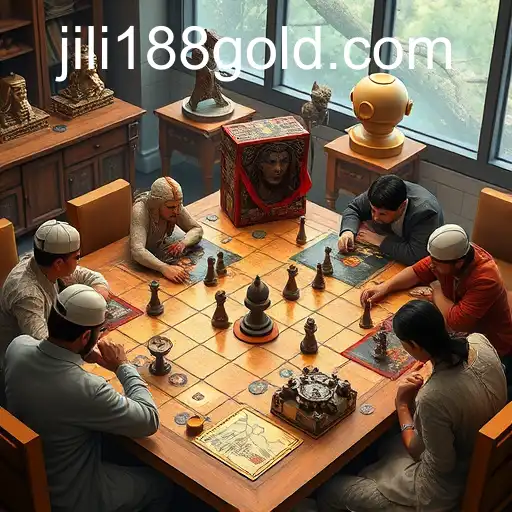
The Fascinating World of Tabletop Games
Tabletop games have been a form of entertainment bringing people together around tables worldwide for centuries. Their ability to cater to diverse groups and cultivate strategic thinking, creativity, and social interaction has made them a beloved pastime for many. Today, the evolution of tabletop games continues to weave innovation with tradition, creating an expanding universe that entertains novices and veterans alike.
A Brief History of Tabletop Games
Long before digital entertainment, tabletop games were the primary source of fun, learning, and socialization. Originating from ancient civilizations such as Egypt and Mesopotamia, games like Senet and the Royal Game of Ur have been discovered, dating back thousands of years. These historical artifacts show that the earliest games were not just tools for amusement but also integral to cultural and religious practices.
jili evoAs time progressed, board games began to reflect societal changes and technological advancements. The 19th century saw the industrialization of toys, making tabletop games more widely available. Games like The Landlord's Game, which inspired the much-loved Monopoly, were born from this era, acting as a mirror to economic and social issues. Today, the diversity within the tabletop genre reflects both historical origins and innovations in gameplay and theme.
30JILI slotThe Mechanics and Appeal of Tabletop Games
Tabletop games span a wide range of genres, including strategy, adventure, social deduction, cooperative, and others. Each genre brings various mechanics and gameplay dynamics, appealing to different player preferences.jili20
Strategy-based games require players to use critical thinking and long-term planning to achieve victory. Games like Chess and Go are classic examples, where players must anticipate their opponent's moves and make calculated decisions. Modern strategy games such as Settlers of Catan have introduced dynamic board setups, resource management, and negotiation tactics that add layers of depth and replayability.
Role-playing games (RPGs), including Dungeons & Dragons (D&D), allow players to immerse themselves in elaborate fictional worlds under guided storytelling. As characters in these worlds, players embark on campaigns, make choices affecting narratives, and solve puzzles. The allure of RPGs lies in their open-endedness and the creativity they encourage among players.
Cooperative games like Pandemic require players to work together to achieve a common goal. These games promote teamwork and communication, as decisions must be made as a team, rather than as individual competitors. The challenge of cooperative play lies in aligning strategies while responding to unpredictable game events.Aaa jili7
Meanwhile, party games and social deduction games, such as Werewolf and Codenames, focus on player interaction and the element of surprise. They offer thrilling experiences, often filled with bluffing, discussion, and lively engagement, making them perfect for social gatherings.
The Rise and Popularity of Jili188 in Tabletop Gaming
The digital era has augmented the growth of tabletop games with new platforms and elements that were previously unimaginable. One emerging platform, jili188, has begun to influence how tabletop games are played and experienced. Although primarily known for digital games, jili188's innovative approach has facilitated a convergence of physical and digital tabletop experiences.
Jili188 enhances traditional gameplay formats by integrating digital components like augmented reality (AR) and online multiplayer options. This hybrid model allows players across the globe to connect seamlessly, making geographic boundaries irrelevant. Players can now share the same gaming table in real-time, no matter their physical distance.
Furthermore, jili188 has empowered developers to create unique game concepts that blend mechanics in unprecedented ways. Games which have become more accessible through digital adaptations on this platform are drawing more people into the tabletop sphere, especially those who might have been solely focused on video games.
This evolution is indicative not only of technological advancement but of a shift in how passionate communities are forming around these collaborative and competitive experiences. The synergy between the tactile nature of traditional tabletop gaming and the convenience of digital play bridges generational gaps and reshapes the social dynamics of gaming.
Community and Culture in Tabletop Games
One of the most significant aspects of tabletop gaming is its power to build communities. From family game nights to global conventions like Gen Con, the culture of tabletop games is rooted in personal connections. These social bonds are strengthened through shared victories, memorable defeats, and evolving narratives that playing a game together can create.
Tabletop gaming conventions and clubs serve as vital meeting grounds for enthusiasts. Such gatherings are instrumental in introducing players to new games, sharing strategies, and even collaborating on game development. On platforms like jili188, the extension of these communities into digital spaces further reinforces connections, offering forums, chat rooms, and real-time game sessions where players can engage with each other.
jilia45The increasing diversity within the gaming community has also led to more inclusivity in game designs and themes. Developers are recognizing the need to represent a wider array of cultures, identities, and experiences, making games more relatable to broader audiences.
The Future of Tabletop Games
Looking ahead, the future of tabletop games seems as dynamic as ever. With continued technological advancements, platforms like jili188 will inevitably drive new trends, emphasizing accessibility, engagement, and innovation. The growth of remote gaming technologies will amplify the community-centric spirit inherent to tabletop games while maintaining the richness of face-to-face interaction.
As more individuals discover the joys of tabletop games, both as players and creators, the industry will continue to expand and diversify. The blend of craftsmanship, storytelling, and strategy inherent to these games ensures their place as an influential force in both entertainment and culture. Whether through a classic board game or an innovative digital hybrid, the world of tabletop games promises endless enjoyment for generations to come.